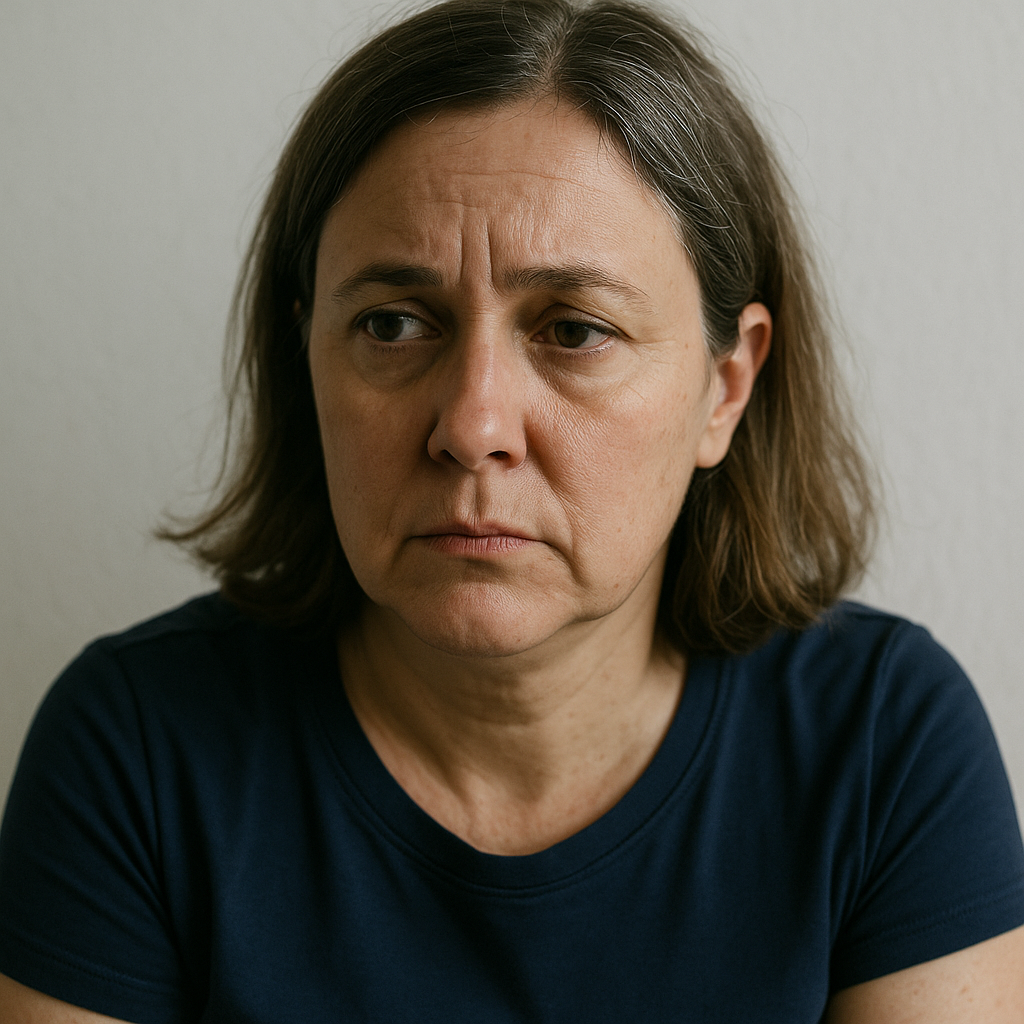
Είμαι μια νοικοκυρά στη Θεσσαλονίκη και βλέπω καθημερινά πώς έχει αλλάξει η χώρα μας από το 2010 μέχρι σήμερα. Κάποτε οι πολιτικοί μιλούσαν για την «τυραννία της πλειοψηφίας», τον κίνδυνο δηλαδή η πλειοψηφία να καταπατήσει τα δικαιώματα των μειονοτήτων. Μετά ήρθαν οι νεοφιλελεύθεροι που μιλούν για την «τυραννία της μειοψηφίας», λέγοντας πως δώσαμε πολύ σημασία στα δικαιώματα και πως τώρα πρέπει να κοιτάμε τι θέλει η πλειονότητα.
Αλλά υπάρχει κι ένας άλλος κίνδυνος που δεν συζητιέται όσο πρέπει. Αυτός που λέω εγώ: Η πραγματική «τυραννία της μειοψηφίας». Δηλαδή, μια μικρή αλλά καλά οργανωμένη μειοψηφία που θεωρεί πως όλα πάνε καλά και καθορίζει τα πολιτικά πράγματα της χώρας.
Αν κοιτάξει κανείς τις δημοσκοπήσεις πέρα από την πρόθεση ψήφου, θα δει πως η πλειοψηφία είναι δυσαρεστημένη, αγωνιά για το μέλλον και αποδοκιμάζει την κυβέρνηση. Όμως, αυτή η πλειοψηφία είναι κατακερματισμένη, χωρίς πραγματική εκπροσώπηση, και μεγάλο μέρος της απομακρύνεται, φτάνοντας στην απάθεια.
Αντίθετα, η μειοψηφία που στηρίζει την κυβέρνηση είναι πιο συνεκτική, συμπαγής και έχει πολιτική δύναμη. Αυτή η μειοψηφία επιτρέπει στην κυβέρνηση να παίρνει αυταρχικές αποφάσεις και να ελέγχει την δημόσια συζήτηση.
Αυτό είναι το πρόβλημα: Το πολιτικό σύστημα εκπροσωπεί κυρίως αυτή τη μικρή μειοψηφία, αφήνοντας την κοινωνική πλειοψηφία σε μια υποτελή, αποκλεισμένη θέση. Η «κανονικότητα» και η «ανάπτυξη» που υπόσχονται δεν είναι για όλους — είναι για λίγους.
Η πραγματική πρόκληση είναι να ξαναγίνει η κοινωνική πλειοψηφία μια φωνή δυνατή, με κοινό όραμα και εκπροσώπηση που να την κάνει πραγματικά κυρίαρχη.
——————————–
Prime Minister-Centered Oligarchy: How a Small Minority Took Control in Greece Since 2010
From the “tyranny of the majority” to the new “tyranny of the minority”: The social majority is discontent, anxious, and drifting away, while a cohesive, consistent minority — the government’s electoral base — shapes politics, leading to the structural exclusion of the broader society.
I am a housewife from Thessaloniki, and I see every day how our country has changed since 2010. Once, politicians talked about the “tyranny of the majority,” warning that the majority might violate the rights of minorities. Later, neoliberals started talking about the “tyranny of the minority,” saying we focused too much on minority rights and should pay attention to what the majority of “normal people” want.
But there is another danger rarely discussed — the real “tyranny of the minority.” A small but well-organized minority believes everything is going well and controls the country’s political course.
If you look beyond voting intentions in polls, you’ll see the majority is dissatisfied, anxious about the future, and disapproves of the government. But this majority is fragmented, lacks real representation, and many turn apathetic or abstain.
On the other hand, the minority supporting the government is more cohesive, consistent, and politically powerful. This minority enables the government to take authoritarian steps and control public discourse.
This is the problem: The political system mainly represents this small minority, leaving the social majority in a subordinate, excluded position. The “normality” and “growth” they promise aren’t for everyone — only for a few.
The real challenge is to make the social majority a strong, united voice again, with a shared vision and representation that makes it truly sovereign.